CIWA Protocol Treatment: Alcohol Withdrawal Treatment Guide

Discover the CIWA protocol for alcohol withdrawal, including symptoms, treatment options, and healthcare management.
How CIWA Helps Track Alcohol Withdrawal Symptoms

Alcohol withdrawal can be a challenging and sometimes dangerous process. It involves a range of physical and mental symptoms that need careful management to ensure safety. Fortunately, the Clinical Institute Withdrawal Assessment for Alcohol, known as CIWA, is a valuable tool that helps healthcare providers monitor and manage these symptoms effectively. The CIWA scale is widely used in clinics and rehabs to assess the severity of alcohol withdrawal symptoms. By providing a clear and consistent method for evaluation, CIWA helps medical professionals tailor treatment plans to each individual’s needs. This personalized approach can make a big difference in the journey toward recovery. Using CIWA not only helps in identifying the severity of withdrawal but also plays a crucial role in guiding treatment decisions. With this tool, doctors and nurses can determine the right level of care, ensuring patients receive the appropriate support during detox. Understanding how CIWA works and why it’s essential can empower anyone involved in the recovery process, paving the way for safer and more effective treatment. Understanding the CIWA Scale: What It Measures and Why It’s Important The Clinical Institute Withdrawal Assessment for Alcohol (CIWA) is a vital tool used worldwide to measure alcohol withdrawal symptoms. It comprises a series of questions and observations that help healthcare providers assess the severity of withdrawal in a person attempting to stop drinking. The CIWA scale is essential because withdrawal symptoms can range from mild discomfort to life-threatening complications. It measures ten specific symptoms, each assigned a severity score. These symptoms include nausea and vomiting, tremors, paroxysmal sweats, anxiety, agitation, tactile disturbances, auditory disturbances, visual disturbances, headache, and the clear presence of orientation and clouded sensorium. Each symptom is rated, and the total score gives a comprehensive picture of the patient’s withdrawal state. The CIWA scale is important because it provides a standardized method to assess symptoms, enabling healthcare teams to deliver appropriate care. By using CIWA, medical professionals can decide the level of medical intervention necessary. A higher score may indicate the need for medications to manage severe symptoms, while a lower score might suggest that less intensive observation is sufficient. This helps in preventing complications and ensuring that the patient undergoes a safer detox process. The scale’s ability to guide individualized care makes it a cornerstone in the treatment of alcohol withdrawal syndromes. Step-by-Step Guide: Using CIWA to Monitor Withdrawal Symptoms Using the CIWA scale involves a systematic approach to efficiently monitor alcohol withdrawal symptoms. Here’s how it works: 1. Patient Observation: Begin with a calm environment to assess the patient without distractions. Observe the patient for any signs of nausea, tremors, and sweating. 2. Checklist Assessment: Go through the ten symptoms outlined in the CIWA protocol. Ask the patient about their experiences with symptoms like anxiety, visual or auditory disturbances, and whether they feel agitated. 3. Symptom Rating: For each symptom, rate its severity on a scale from 0 (not present) to 7 (extreme). Write down each score to calculate the total. 4. Score Calculation: Add up the scores from each symptom to get the total CIWA score. This total will range from 0 to a maximum of 67. 5. Care Decision: Use the CIWA score to decide on the treatment plan. For example, a score of 8 or less usually means minimal withdrawal, while a score above 15 may require medication. 6. Regular Monitoring: Repeat this assessment regularly, often every few hours, to track changes and adjust treatments as needed. Following these steps with the CIWA scale ensures thorough monitoring and helps healthcare providers make timely decisions for safe and effective withdrawal management. This structured method is crucial, especially in settings like luxury rehabs or Scottsdale rehabs, where personalized care is a priority. Benefits of Using CIWA During Detox and Rehab The CIWA scale is immensely beneficial during detox and rehab, providing clear advantages in patient care. Firstly, it offers detailed insight into withdrawal symptoms, helping professionals manage the detox process more effectively. By quantifying symptoms, CIWA allows for precise medication adjustments. This means patients receive only what they need, minimizing the risk of overmedication. Moreover, the CIWA tool enhances safety during alcohol withdrawal. Severe symptoms can be life-threatening without proper assessment and intervention. By using CIWA, healthcare providers can quickly identify when a patient’s symptoms escalate, allowing for swift and appropriate medical responses. This proactive approach reduces complications and helps prevent the progression to severe withdrawal forms, such as delirium tremens. Additionally, the scale fosters a personalized care approach. Each patient experiences withdrawal differently, and CIWA captures these variations. This personalization is especially valued in luxury rehabs and tailored treatment settings, ensuring a more comfortable and supportive recovery experience. Plus, regular use of CIWA helps assess the effectiveness of treatment strategies, guiding adjustments to optimize patient outcomes. Overall, incorporating CIWA in detox and rehab contributes to safer, more efficient alcohol withdrawal management. Comparing CIWA with Other Tools: Why It Stands Out in Alcohol Withdrawal Management The CIWA scale stands out among other tools used for alcohol withdrawal management due to its specificity and comprehensive nature. While there are various assessment tools like the COWS (Clinical Opiate Withdrawal Scale) and SMAST (Short Michigan Alcoholism Screening Test), CIWA is uniquely tailored for alcohol withdrawal. Unlike COWS, which measures opiate withdrawal symptoms, CIWA zeroes in on those associated with alcohol. This specific focus ensures that each symptom of alcohol withdrawal is thoroughly examined. SMAST is more of a screening test for identifying potential alcohol use issues rather than monitoring withdrawal severity. Therefore, CIWA provides the depth of assessment required during active withdrawal. Furthermore, CIWA is widely used due to its structured format that accommodates various healthcare settings, from drug rehabs to alcohol rehabs, including luxury and Scottsdale facilities. Its simplicity enables healthcare providers, even those with limited access to sophisticated technology, to effectively monitor and manage patients. This broad applicability, combined with robust data collection, makes CIWA a preferred choice for consistently delivering quality care. As a practical, proven method, CIWA continues to be a leading tool
CIWA Scale Explained: Managing Alcohol Withdrawal

Alcohol withdrawal can be a challenging phase in the journey towards sobriety, and accurately assessing its severity is crucial for effective treatment. That’s where the CIWA (Clinical Institute Withdrawal Assessment for Alcohol) scale comes into play. This tool is designed specifically to evaluate the severity of alcohol withdrawal, providing healthcare professionals with a quantitative measure to guide treatment decisions. By identifying the symptoms and their intensity, the CIWA scale enables us to tailor treatment approaches that are as individual as the people we support. Our focus on tools like the CIWA scale highlights our commitment to finding the best recovery paths for those dealing with alcohol dependence. This medical calculator not only enhances our ability to manage withdrawal symptoms but also supports our larger goal of offering comprehensive recovery solutions. Through detailed assessments and personalized care plans, we strive to provide stability and hope to those embarking on a recovery journey. Understanding and implementing the CIWA scale is a critical step in ensuring the safety and effectiveness of alcohol withdrawal management, aligning with our mission to empower individuals in achieving lasting sobriety. What is the CIWA Scale and How Does It Work? The Clinical Institute Withdrawal Assessment of Alcohol Scale, better known as CIWA, is a pivotal tool in our arsenal for managing alcohol withdrawal. This scale is specifically designed to offer a standardized assessment of withdrawal severity, thereby guiding treatment decisions. Utilizing CIWA, we detect the presence and intensity of alcohol withdrawal symptoms, ranging from nausea and tremors to agitation and auditory disturbances. The process involves a brief questionnaire which is administered by a trained professional who can score each symptom based on its severity. The summation of these scores determines the overall severity of withdrawal, allowing us to provide a treatment that is both appropriate and proportional to the patient’s needs. By systematically measuring symptoms, CIWA helps us identify potential complications early and administer necessary interventions swiftly and efficiently. Key Symptoms Measured by the CIWA Protocol The CIWA protocol meticulously evaluates a range of symptoms to determine withdrawal severity. Key symptoms include agitation, anxiety, auditory disturbances, visual hallucinations, headaches, sweating, nausea, and tremors, to name a few. Each of these symptoms is scored on its own scale, reflecting the gradation of severity from mild to severe. For instance, tremors are measured by observation — from the absence of tremors to severe, uncontrollable shaking. Similarly, hallucinations are assessed based on a patient’s reported experiences. This detailed attention to various symptoms ensures that our treatment approach addresses the specific needs of each individual. It’s crucial for us not only to treat the withdrawal but to understand how these symptoms are experienced by the patient, enabling us to provide supportive care that is empathetic and effective. Implementing CIWA in Clinical Settings: Best Practices Implementing the CIWA scale in clinical settings requires a structured approach to ensure accuracy and effectiveness in treatment. We emphasize training our healthcare professionals comprehensively, as the accuracy of CIWA relies significantly on the evaluator’s skill and experience. Each staff member is taught how to correctly administer the scale, interpret its results, and apply them to patient care. This includes understanding each symptom’s specific indicators and how to rate them appropriately. Moreover, consistency is key in our application of the CIWA protocol. To maintain this, regular review sessions are held to assess the uniformity of the application of the CIWA scale across different practitioners within our facility. By monitoring and calibrating our approaches continually, we assure a high standard of care and effective management of alcohol withdrawal symptoms. These practices not only help in mitigating the risks associated with withdrawal but also ensure that treatment decisions are data-driven and tailored to individual needs. The Importance of CIWA in Personal Recovery Plans The CIWA scale is not just a tool for acute intervention but also a critical component in the formulation of personal recovery plans. Understanding the severity and nature of withdrawal symptoms allows us to design recovery plans that address both immediate detoxification needs and long-term treatment goals. This personalized approach ensures that the support we provide adjusts over time to reflect each client’s evolving needs as they transition from detox into recovery. Incorporating CIWA into ongoing care plans helps clients and their families understand the recovery process more clearly. It also sets clear, measurable milestones that clients can achieve, instilling a sense of progress and motivation. Using the CIWA scale, we can dynamically adjust treatment plans in response to the changing severity of withdrawal symptoms, making the recovery journey as smooth and effective as possible.At Recovery Calculators, we are dedicated to providing our clients with the tools and support they need to successfully navigate the complexities of alcohol withdrawal and recovery. By using the CIWA scale, we ensure that every aspect of treatment is grounded in careful assessment and tailored intervention. Contact us today to learn more about our alcohol withdrawal calculator.
How CIWA Scores Help Manage Alcohol Withdrawal

Alcohol withdrawal can be a challenging and dangerous process. When someone stops drinking after prolonged use, they can experience a range of withdrawal symptoms. These symptoms can range from mild to severe and, in some cases, can be life-threatening. Managing these symptoms effectively is crucial for a safe and successful recovery. This is where the CIWA scale comes in. CIWA, or the Clinical Institute Withdrawal Assessment for Alcohol, is a tool used by medical professionals to assess the severity of alcohol withdrawal symptoms. By evaluating different symptoms and assigning scores, healthcare providers can determine the best course of action for each patient. This helps in tailoring treatment plans to meet individual needs, ensuring a safer and more comfortable detox process. Understanding how the CIWA scale works and its importance in alcohol withdrawal management can make a significant difference for those undergoing treatment. It provides a structured method for assessing the severity of symptoms and guiding treatment decisions. This article will explore the CIWA scale in detail, highlighting its role in managing alcohol withdrawal and how it supports recovery in rehab centers. Understanding CIWA: What Is It and How Does It Work? The Clinical Institute Withdrawal Assessment for Alcohol, commonly known as CIWA, is a scale used by medical professionals to evaluate the severity of alcohol withdrawal symptoms in patients. This tool assesses ten different symptoms, each of which is scored to provide a total CIWA score that guides treatment decisions. The ten symptoms assessed by CIWA include nausea and vomiting, tremors, paroxysmal sweats, anxiety, agitation, tactile disturbances, auditory disturbances, visual disturbances, headache, and orientation. Each symptom is rated on a scale from 0 to 7, with higher scores indicating more severe symptoms. For example, a score of 0 indicates an absence of symptoms, while a score of 7 denotes the highest intensity of that particular symptom. By combining the scores of all ten symptoms, healthcare providers obtain a total CIWA score. This score helps determine the level of care required for the patient. A low score might indicate mild withdrawal symptoms that can be managed with minimal intervention, while a high score could signal severe symptoms needing immediate and intensive medical care. Understanding how to use the CIWA scale accurately allows healthcare providers to offer timely and appropriate treatment, thus improving patient outcomes during the detox process. The Importance of CIWA in Alcohol Withdrawal Management Managing alcohol withdrawal effectively is crucial to ensuring patient safety and comfort. The CIWA scale plays a vital role in this process by providing a standardized method to evaluate and monitor withdrawal symptoms. This helps healthcare providers make informed decisions about the type and intensity of treatment needed. The importance of CIWA becomes evident when considering the potential risks of untreated or poorly managed alcohol withdrawal. Severe symptoms like seizures, hallucinations, and delirium tremens can be life-threatening and require immediate medical attention. By using the CIWA scale, healthcare providers can identify these symptoms early and intervene promptly. Moreover, the CIWA scale helps in administering appropriate medication. For instance, benzodiazepines are often used to manage severe withdrawal symptoms. The CIWA score guides the dosage and frequency of these medications, ensuring that patients receive the right amount to relieve symptoms without overmedicating. In addition to medication management, the CIWA scale supports a comprehensive treatment approach. By regularly monitoring CIWA scores, healthcare providers can adjust treatment plans to address the changing needs of the patient. This dynamic approach helps in providing continuous and effective care throughout the withdrawal process. The use of CIWA thus ensures that patients undergoing alcohol detox receive personalized, safe, and effective treatment. How to Accurately Use the CIWA Assessment Accurately using the CIWA assessment is crucial for effectively managing alcohol withdrawal. The first step is training the healthcare staff. Proper training ensures they are familiar with each of the ten symptoms and understand how to rate them appropriately on the scale from 0 to 7. Consistency in scoring is vital to ensure the reliability and accuracy of the CIWA score. The assessment should be conducted in a calm and quiet environment to accurately gauge the patient’s symptoms. Before starting, it is important to explain the process to the patient, so they understand what to expect and feel comfortable cooperating. Each symptom should be assessed by asking the patient questions and observing their responses. For example, to assess agitation, the staff can observe the patient’s movements and level of restlessness. Regular monitoring is also key. CIWA assessments are typically conducted at scheduled intervals, such as every 4-6 hours, depending on the severity of the withdrawal symptoms. This frequent monitoring allows for timely adjustments to the treatment plan, such as modifying medication dosages or incorporating additional therapies. By following these steps, healthcare providers can use the CIWA assessment accurately and effectively. This ensures that patients receive the right level of care at the right time, promoting safer and more comfortable withdrawal management. Benefits of Using CIWA Scores in Rehab Centers Using CIWA scores in rehab centers provides numerous benefits that enhance the quality of care for individuals undergoing alcohol withdrawal. One major benefit is improved patient safety. By systematically monitoring symptoms, the CIWA tool helps detect severe withdrawal symptoms early, allowing for immediate intervention and reducing the risk of complications. Another benefit is personalized treatment. CIWA scores enable healthcare providers to tailor treatment plans based on the severity of the patient’s symptoms. This means that patients with milder symptoms might receive less intensive care, while those with severe symptoms get the immediate and specialized care they need. Such personalized plans increase the chances of successful detoxification and recovery. CIWA scores also promote efficient use of resources. In luxury rehabs and other high-quality facilities, precise CIWA assessments help allocate medical staff and resources where they are most needed. This ensures that patients receive the appropriate level of attention and care, making the detox process more effective. Additionally, using CIWA scores supports better communication among healthcare team members. Consistent scoring provides a common language for discussing patient
Navigating the CIWA Scale for Alcohol Withdrawal Management

Understanding alcohol withdrawal and managing its risks requires precise tools and informed approaches. The Clinical Institute Withdrawal Assessment of Alcohol Scale, better known as the CIWA Scale, is our cornerstone in guiding treatment decisions. This tool is not just a measure; it is a critical component that ensures patient safety and the effectiveness of the detox process. As experts in detox management, we use the CIWA Scale to meticulously assess the severity of alcohol withdrawal symptoms. This scale aids us in tailoring our interventions to fit the individual needs of our clients, preventing complications associated with alcohol withdrawal such as seizures and delirium tremens. By closely monitoring withdrawal symptoms, we can administer appropriate treatments at the optimal intensity needed for each client. Join us as we dive deeper into the significance of the CIWA Scale in alcohol withdrawal management, exploring its key components, practical application, and undeniable benefits, ensuring that our clients receive the most informed and compassionate care possible. What Is the CIWA Scale and Why Is It Important? The Clinical Institute Withdrawal Assessment for Alcohol (CIWA) Scale is a pivotal medical tool we use to assess the severity of alcohol withdrawal symptoms. This scale is specifically designed to gauge the urgency and necessary intensity of treatment for individuals undergoing alcohol detox. Its importance cannot be overstated, as it enables our medical professionals to provide a rapid and accurate response to the varying degrees of withdrawal symptoms, thereby preventing the progression of potentially severe withdrawal conditions such as delirium tremens and seizures. At our center, we utilize the CIWA Scale not only to guide our interventions but also to ensure the patient’s safety and comfort. By quantifying the severity of symptoms such as tremors, agitation, hallucinations, and sweating, we can administer a personalized treatment plan. This precise approach helps in mitigating risks and enhancing the effectiveness of detox treatments, ensuring that each patient’s journey toward recovery is as smooth and safe as possible. Key Components of the CIWA Scale Explained The CIWA Scale encompasses ten different criteria that our healthcare professionals evaluate to determine the severity of a patient’s withdrawal symptoms. These criteria include tremors, sweating, nausea and vomiting, tactile disturbances, auditory disturbances, visual disturbances, headaches, fullness in head, agitation, and orientation and clouding of the sensorium. Each symptom is rated on a scale, typically ranging from 0 to 7, which signifies the severity level from none to severe. Our adept team is trained extensively in administering these evaluations with strict adherence to guidelines to ensure consistent accuracy. For example, a score of less than 10 suggests mild withdrawal, scores between 10 to 15 denote moderate withdrawal, and scores over 15 are indicative of severe withdrawal. These scores are integral as they directly influence the treatment protocols we implement, from minimal intervention for mild cases to intensive care for severe scenarios. This systematic evaluation and response system is crucial for catering appropriately to the diverse needs of our patients experiencing alcohol withdrawal. Implementing the CIWA Scale in Clinical Practice Incorporating the Clinical Institute Withdrawal Assessment for Alcohol (CIWA) scale into clinical practice is a game-changer for us in managing alcohol withdrawal safely and effectively. This tool guides us in evaluating and treating withdrawal symptoms with a precision that was not feasible with more general approaches. By using the CIWA scale, we can assess the severity of withdrawal in patients undergoing detoxification, allowing for tailored treatment plans that are responsive to each patient’s unique needs. The process involves monitoring and scoring several symptoms, which can then directly influence the management strategies we deploy, including medication dosages and intervention techniques. By adapting treatment to real-time assessments, we greatly improve patient outcomes. It reduces the risks associated with withdrawal, such as seizures or delirium tremens, making the detox process as safe and comfortable as possible for each individual. Advantages of Using the CIWA Scale for Alcohol Withdrawal Management Utilizing the CIWA scale offers substantial benefits in alcohol withdrawal management. Its systematic approach allows for rapid identification of withdrawal complications, facilitating prompt and effective responses. This not only enhances patient safety but also improves the overall efficiency of the detox process. One significant advantage of the CIWA scale is its ability to prevent overmedication. By providing a clear, quantifiable measure of withdrawal symptoms, we can administer medication based on the precise needs of the patient rather than relying on less specific signs. This specificity helps minimize the medication doses required, promote a quicker recovery process, and reduce the duration of the treatment. As a result, patients experience fewer side effects from medications, leading to a better overall experience during the challenging detoxification phase. The clarity and precision that the CIWA scale provides are invaluable in the journey toward recovery from alcohol dependence. By improving the detox process, we lay a firmer foundation for the following comprehensive rehabilitation programs. We know that the path to recovery is not the same for everyone, which is why we are dedicated to personalizing treatment to fit the unique circumstances and needs of each individual we help. Conclusion At our center, we pride ourselves on employing the most effective, evidence-based tools available, like the CIWA assessment tool, to ensure our clients receive not only the highest standard of care but also the most compassionate and personalized support. If you or your loved one is struggling with alcohol dependence, reach out to us at Recovery Calculators. Let us guide you safely and effectively through withdrawal management and onto the road to recovery. Here, your healing is our priority.
How CIWA Protocol Improves Alcohol Withdrawal Management

Understanding and managing alcohol withdrawal effectively is a critical component of the recovery process. Alcohol withdrawal can be a challenging and sometimes dangerous phase in someone’s journey to sobriety. It’s here that the Clinical Institute Withdrawal Assessment for Alcohol (CIWA) protocol plays a fundamental role. Developed to provide a standardized evaluation of withdrawal symptoms, the CIWA protocol enables medical professionals to administer care based on objective criteria, significantly reducing the risks associated with alcohol detox. At the heart of our approach, we prioritize a method that is not only grounded in scientific research but is also centered around the individual needs of our patients. The CIWA protocol, by design, enhances the safety and effectiveness of detox through its structured system of assessment. This allows us, as care providers, to tailor treatment plans that are precise and responsive to the fluctuating dynamics of withdrawal symptoms. In this dialogue, we aim to demystify the CIWA protocol and discuss its pivotal role in improving the outcomes of alcohol withdrawal management. As we explore its key elements, benefits, and practices for implementation, we hope to provide a clear picture of why this protocol is integral to contemporary approaches in alcohol addiction treatment. Overview of the CIWA Protocol and Its Importance in Detox The Clinical Institute Withdrawal Assessment for Alcohol (CIWA) protocol plays a pivotal role in detoxification from alcohol, guiding us in clinical settings to assess and treat patients experiencing alcohol withdrawal symptoms effectively. This protocol is critical because it provides a structured approach to evaluate the severity of withdrawal, enabling tailored treatment plans based on individual patient needs. The CIWA protocol uses a scoring system based on a range of symptoms that are commonly experienced during alcohol withdrawal. These symptoms include nausea, tremor, sweating, anxiety, agitation, tactile disturbances, auditory disturbances, visual disturbances, headaches, and orientation. By utilizing the CIWA protocol, we can systematically assess the risk of severe withdrawal complications, such as seizures or delirium tremens, which can be life-threatening if not properly managed. This approach is not only about symptom relief but also significantly about preventing complications by adjusting treatments as needed, improving patient outcomes, and enhancing the overall efficiency of detox programs. The CIWA protocol’s importance in detox settings cannot be overstated as it directly influences decisions on medication types, dosages, and the need for further psychological or medical intervention. Key Elements of the CIWA Protocol for Assessing Withdrawal Symptoms Understanding the key elements of the CIWA protocol enhances our ability to administer it effectively in a clinical setting. The protocol encompasses a series of assessments focused on specific withdrawal symptoms, each with a scoring system from 0 to 7 or 0 to 4, depending on the intensity and presence of symptoms. High total scores indicate more severe withdrawal and may necessitate intensive medical oversight or pharmacological intervention. Let’s discuss a few critical symptoms assessed. – Agitation: This is scored based on the patient’s restlessness, irritability, and inability to sit still. Higher scores suggest increasing severity of agitation, indicating a need for intervention. – Anxiety: Patients express feelings of nervousness or panic associated with withdrawal. The level of anxiety is directly assessed and scored, helping guide the need for anti-anxiety medications. – Tremors: Observed as involuntary shaking, often in the hands, which can be an indicator of the body’s response to the lack of alcohol. – Auditory Disturbances: Ranging from tinnitus to hearing sounds that are not present, these symptoms are critically evaluated for their severity and impact on the patient. Every symptom assessed adds to a composite score that guides the detox process in a nuanced way. This scoring system allows us to tailor detoxification treatments to individual needs, ensuring each patient receives the appropriate level and type of care. The CIWA protocol’s precise, symptom-oriented approach helps mitigate the risk of complications during the detox phase, making it an indispensable tool in our arsenal against alcohol dependency. Benefits of Using the CIWA Protocol in Clinical Settings The CIWA (Clinical Institute Withdrawal Assessment) Protocol has proven to be an invaluable tool in enhancing the efficacy and safety of detox procedures. In clinical settings, the use of the CIWA protocol facilitates a targeted approach to managing withdrawal symptoms, allowing healthcare providers to administer precise treatment based on individual patient needs. This method significantly reduces the risks associated with withdrawal, such as seizures or delirium tremens, by providing quick and accurate assessments. Moreover, the CIWA protocol supports the customization of treatment plans, improving patient outcomes and increasing the efficiency of care by avoiding unnecessary medication or interventions. By adhering to this structured assessment tool, medical staff can significantly improve the experience of detox for patients, making the process as comfortable and safe as possible. Implementing CIWA: Best Practices and Challenges Implementing the CIWA protocol in a clinical setting involves a series of best practices that ensure its effectiveness and reliability. Training the medical staff thoroughly on how to use the CIWA scale accurately is paramount. Since the assessment is subjective, consistency in how symptoms are evaluated by different staff members is crucial. Regular training sessions help in maintaining this consistency and enhancing the reliability of assessments. Furthermore, integrating the CIWA protocol with the facility’s overall detox and treatment strategy is vital for seamless clinical operations. This integration allows for a holistic approach to patient care, where every aspect of the patient’s health is considered. However, challenges do exist in the implementation of the CIWA protocol. One of the main issues can be the subjective nature of the assessment, which may lead to variability in scoring if not standardized among staff. Additionally, continuous monitoring required by the protocol demands substantial resources and manpower, which could be a constraint in facilities with limited staff or funding. Addressing these challenges is essential for the protocol to function as intended and to provide the most beneficial outcomes for patients undergoing withdrawal. Conclusion At our clinic, we recognize the importance of a carefully monitored detox process. The CIWA protocol is a cornerstone of our detoxification treatments, enabling us
CIWA-AR Assessment: Exploring Alcohol Withdrawal Scale
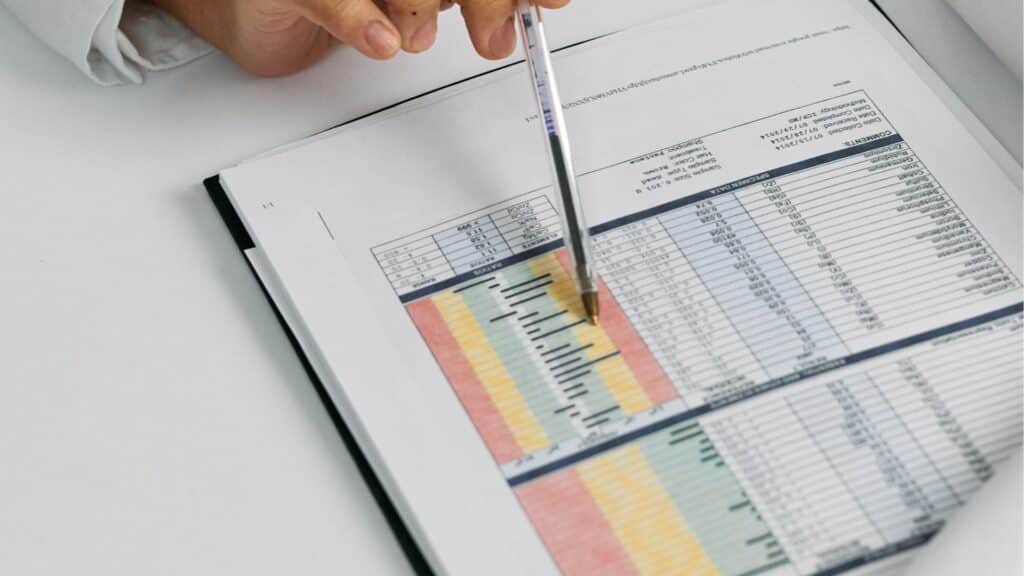
Learn about the CIWA-AR Assessment for Alcohol Withdrawal. Understand the components, scoring, and interpretation of this essential tool.
Guide to Addiction Calculators: CIWA, COWS, and SMAST

Addiction is a complex condition that affects millions of people worldwide. To effectively manage it, medical professionals rely on various tools and methods to assess the severity of addiction and monitor progress during treatment. One such essential tool is the addiction calculator. These calculators are designed to provide standardized, objective measurements that help in planning and executing effective treatment strategies. Among the most widely used calculators are CIWA (Clinical Institute Withdrawal Assessment), COWS (Clinical Opiate Withdrawal Scale), and SMAST (Short Michigan Alcoholism Screening Test). Each of these tools serves a unique purpose in the continuum of care, from managing withdrawal symptoms to identifying alcohol dependence. They are crucial in settings ranging from hospitals to outpatient rehab centers, including luxury rehabs in Scottsdale and Phoenix. Understanding the role and application of these calculators can empower both healthcare providers and patients. By integrating these tools into the treatment process, we can significantly enhance the accuracy of assessments and the effectiveness of interventions, ultimately aiding in a more successful recovery journey. Overview of Addiction Calculators and Their Uses Addiction calculators are invaluable tools in the management and treatment of substance use disorders. These calculators provide standardized measurements that help medical professionals assess the severity of addiction, monitor withdrawal symptoms, and tailor treatment plans to fit individual needs. By utilizing these tools, healthcare providers can make informed decisions that enhance the quality of care and outcomes for patients undergoing rehabilitation. Among the most commonly used addiction calculators are CIWA, COWS, and SMAST. These tools have specific applications depending on the type of substance abuse being treated. For instance, CIWA is used to assess alcohol withdrawal symptoms, while COWS focuses on opioid withdrawal. SMAST, on the other hand, is used for screening alcohol-related problems. Luxury rehabs and drug rehabs in locations like Scottsdale and Phoenix often incorporate these tools into their treatment protocols to ensure a comprehensive approach to addiction recovery. Detailed Breakdown of CIWA, COWS, and SMAST CIWA (Clinical Institute Withdrawal Assessment): CIWA helps medical professionals evaluate the severity of acute alcohol withdrawal. This calculator includes ten different criteria, such as nausea, tremors, and anxiety, each scored from 0 to 7. These scores are accumulated to determine the overall level of withdrawal, guiding the necessary medical interventions. CIWA is particularly useful in alcohol rehabs for monitoring progress and adjusting treatments accordingly. COWS (Clinical Opiate Withdrawal Scale): COWS is another essential calculator, designed to assess the severity of opioid withdrawal symptoms. This tool considers various symptoms, such as sweating, restlessness, and bone aches, assigning a score to each. Medical professionals then use this information to tailor detox programs and ensure patients receive adequate support throughout their recovery from drugs like fentanyl. This scale is often employed in drug rehabs to precisely measure and manage withdrawal phases. SMAST (Short Michigan Alcoholism Screening Test): SMAST is a screening tool used to identify individuals with potential alcohol abuse problems. Consisting of 13 yes/no questions, this test helps to quickly determine whether further evaluation or intervention is necessary. SMAST is widely used in both outpatient and inpatient alcohol rehabs to screen for alcohol-related issues and initiate appropriate courses of action. Each of these calculators plays a unique role in the rehabilitation process, enabling us to provide precise, effective treatment tailored to the individual needs of patients. By integrating CIWA, COWS, and SMAST into our treatment plans, we can offer a more structured and impactful approach to addiction recovery. The Role of Medical Calculators in Monitoring Detox Progress Medical calculators are invaluable tools for monitoring progress during drug detox. These calculators provide quantifiable data that help healthcare providers assess the severity of withdrawal symptoms and adjust treatment plans accordingly. For instance, the CIWA (Clinical Institute Withdrawal Assessment for Alcohol) scale measures symptoms like nausea, tremors, and anxiety that are common in alcohol withdrawal. By scoring these symptoms, clinicians can determine the most effective interventions to reduce discomfort and risk. Similarly, the COWS (Clinical Opiate Withdrawal Scale) is used for assessing the severity of withdrawal symptoms in individuals detoxing from opioids. This scale measures symptoms such as sweating, restlessness, and gastrointestinal distress. By regularly assessing these symptoms using the COWS scale, healthcare providers can respond quickly to alleviate severe withdrawal effects. Tools like SMAST (Short Michigan Alcoholism Screening Test) help screen for alcohol problems, enabling early intervention in alcohol-related detox cases. Overcoming Challenges in Drug Detoxification Detoxification comes with various challenges, but understanding and addressing these can improve the process significantly. One common challenge is managing severe withdrawal symptoms. This is often a critical concern, as symptoms can range from mild discomfort to life-threatening conditions. Medical calculators like CIWA and COWS allow for constant monitoring, ensuring that any severe symptom is immediately addressed with appropriate medical intervention. Another challenge is the emotional and psychological impact of detox. Feelings of anxiety, depression, and isolation can undermine the success of a detox program. It is essential to include psychological support as part of the detox process. Support groups, counseling, and individual therapy sessions can provide the necessary emotional support to help individuals stay committed to their recovery journey. Luxury rehabs and specialized drug and alcohol rehabs in places like Scottsdale and Phoenix often offer a comprehensive approach that combines medical care with psychological support to maximize the chances of a successful detox. Conclusion Going through a drug detox program is the first step towards a healthier, drug-free life, but it requires careful planning and professional support. By understanding the basics of drug detox and following essential steps, such as thorough medical assessments and continuous monitoring with sobriety calculators, we can ensure a safe and effective detox process. Overcoming the challenges of detoxification is possible with the right tools and support systems in place, making the recovery journey more manageable and successful. At Recovery Calculators, we are dedicated to providing valuable insights and tools to support effective drug detox programs. Leveraging medical calculators like CIWA, COWS, and SMAST can make a significant difference in monitoring and managing withdrawal symptoms. If you’re ready to
Understanding CIWA: A Guide to Assessing Alcohol Withdrawal

Understanding the Critical Illness Withdrawal Assessment (CIWA) scale is essential for both healthcare professionals and those involved in the care of individuals experiencing alcohol withdrawal. At our core, we strive to empower and educate on the vital tools and resources necessary for effective addiction recovery management. The CIWA scale is one such tool—an invaluable resource designed to safely and accurately monitor symptoms of alcohol withdrawal, aiding in the timely intervention and prevention of severe withdrawal complications. Proper use of the CIWA scale can significantly alter the outcome for a patient in withdrawal by providing a structured, objective method for assessing the severity of withdrawal. It guides the clinical decisions regarding the need for medication, the type of medication, and the setting in which withdrawal management should be conducted. By understanding how to apply the CIWA scale correctly and interpreting its results, care providers can improve the safety and comfort of individuals undergoing alcohol detox, ultimately facilitating a smoother and more controlled recovery path. As we delve deeper into the components and uses of the CIWA scale, it is our aim to present this information clearly and helpfully, ensuring that our readers are well-equipped to utilize this essential tool in the context of addiction recovery. What is the CIWA Scale and Why is it Important? The Clinical Institute Withdrawal Assessment for Alcohol (CIWA) scale is a critical tool that we utilize to assess the severity of alcohol withdrawal in individuals. It is designed to be both comprehensive and straightforward, allowing healthcare professionals to quickly gauge withdrawal symptoms and their severity. The importance of the CIWA scale lies in its ability to prevent complications during the detoxification process by providing timely and appropriate medical interventions. Using the CIWA scale, we can tailor detoxification treatments to individual needs, enhancing safety and efficacy. This tailored approach prevents the one-size-fits-all method of handling withdrawal, which can often lead to under-treatment or overtreatment, each with its own set of risks. By scoring the severity of symptoms ranging from nausea and tremors to agitation and auditory disturbances, the CIWA scale lays the groundwork for a recovery plan that is as responsive as it is robust. Key Components of the CIWA Scale Assessment The effectiveness of the CIWA scale stems from its detailed assessment criteria, which cover a range of symptoms critical to identifying and managing alcohol withdrawal. Here are the key components that we carefully evaluate: 1. Agitation: We assess the patient’s level of restlessness and irritability, which can be early signs of withdrawal. 2. Anxiety: This involves gauging the patient’s nervousness or fear, which is common in withdrawal scenarios. 3. Auditory Disturbances: We check for any hearing impairments or the presence of hallucinations, which can indicate severe withdrawal needs. 4. Visual Disturbances: This includes monitoring for sensitivity to light or visual hallucinations. 5. Tactile Disturbances: Checking for sensations like itching or numbness that might affect the patient. 6. Headache: We assess the intensity and persistence of headaches, which can impact patient comfort and withdrawal progress. 7. Sweating: Observing the extent of sweating helps understand the body’s response to detoxification. 8. Orientation and Clouded Sensorium: It’s crucial to evaluate the patient’s awareness of surroundings and cognitive clarity. These components are meticulously scored based on severity from 0-7 or 0-4, depending on the symptom. The total score then informs our medical team of the next steps, ensuring every patient receives the care they need based on their specific symptoms and the severity of withdrawal. Through this systematic assessment, we can significantly improve the outcomes of detoxification and subsequent rehabilitation programs. How to Use the CIWA Scale Effectively in Alcohol Withdrawal Management In our practice, effective use of the CIWA scale is paramount for managing alcohol withdrawal safely and successfully. First and foremost, consistent assessments are crucial. We conduct evaluations using the CIWA scale at regular intervals, typically every four hours, to monitor the progress of withdrawal symptoms effectively. This frequency can be adjusted based on the severity of the symptoms and the specific needs of the patient. Training is another critical aspect of using the CIWA scale effectively. Our team comprises healthcare professionals thoroughly trained in applying the CIWA scale. This training ensures that each member can accurately assess and interpret the symptoms of alcohol withdrawal. Through this rigorous and standardized approach, we ensure that all patients receive appropriate and timely medical intervention based on their exact needs. CIWA Scale: Interpreting Results and Next Steps in Treatment Interpreting the results of the CIWA scale involves a careful analysis of the accumulated scores from the assessment. Scores of 8 or below typically indicate mild withdrawal symptoms, which may require minimal medication and can often be managed with supportive care alone. Scores between 9 and 15 denote moderate withdrawal and may necessitate a balanced approach of both medication and supportive care. Scores above 15 suggest severe withdrawal, often requiring immediate and intensive medical intervention. Based on the results, we map out the next steps, whether it involves initiating medications such as benzodiazepines to help manage symptoms, adjusting existing treatment protocols, or recommending hospitalization for extreme cases. Our goal is to stabilize the patient effectively and to prepare them for the upcoming stages of recovery, which might include therapy, counseling, and support groups. Conclusion The CIWA scale is more than just a tool; it’s an integral part of our commitment to providing personalized, empathetic, and effective treatment for alcohol dependency. By understanding and utilizing this scale, we strengthen our capabilities in managing alcohol withdrawal more safely and efficiently, ensuring a better path to recovery for all our clients. As we continue to support individuals on their journey to sobriety, we remind you that no one is alone in this battle. If you or someone you know is struggling with alcohol dependency, turn to us at Recovery Calculators. We are here to guide you through every step of the process with the tools and resources necessary for recovery. Together, let’s map out a path toward a healthier, more fulfilling life.